Blog
Loyalty

What is the best loyalty program software in 2025?

Finding the right loyalty program software isn’t just about points and perks. It’s about building a real, data-driven connection with your customers.

Last update:

October 30, 2025

8

minutes read

Written by:

Florian Auffret

Summarize with:
What is the best loyalty program software in 2025?
Table of Contents

The newsletter that brings your customers back

Read by 2K+ ecommerce brands!

★ ★ ★ ★ ★

Thank you! Your submission has been received!
Oops! Something went wrong while submitting the form.
Thank you! Your submission has been received!
Oops! Something went wrong while submitting the form.

Customer loyalty has never been more critical for digital businesses. In a world where acquisition costs keep rising, loyalty software helps brands turn first-time buyers into long-term customers.

According to Loyoly’s 2025 Industry Report, 23% of consumers say an attractive loyalty program motivates them to purchase again from an e-shop. Even better: 38% would join a loyalty scheme if they already feel emotionally connected to a brand.

So, what’s the best loyalty program software in 2025? Let’s explore.

✅ Key takeaways:

  • Loyalty program software turns one-time buyers into repeat customers through personalised rewards.
  • The best solutions combine automation, analytics, and omnichannel integrations.
  • Customisation, segmentation, and UX are now must-haves, not bonuses.
  • Platforms like Loyoly, Yotpo, and LoyaltyLion lead the 2025 market for eCommerce brands.
  • Choosing the right platform depends on your goals, tech stack, and customer base.


What is a loyalty program software ?

A loyalty program software is a digital platform that helps businesses reward, retain, and re-engage customers based on their purchase or engagement behaviour.

It automates how brands deliver points, manage rewards, track tiers, and encourage referrals, all while centralising customer data and analytics.

There are several types of loyalty systems: points-based programs, tiered systems (VIP), referral programs, cashback models, and membership-based schemes.

And why does it matter? Because loyalty drives retention. When customers feel valued, they spend more, stay longer, and become brand advocates.


10 key features to look for in customer loyalty software

Not all loyalty tools are created equal. Here are the features that truly move the needle.


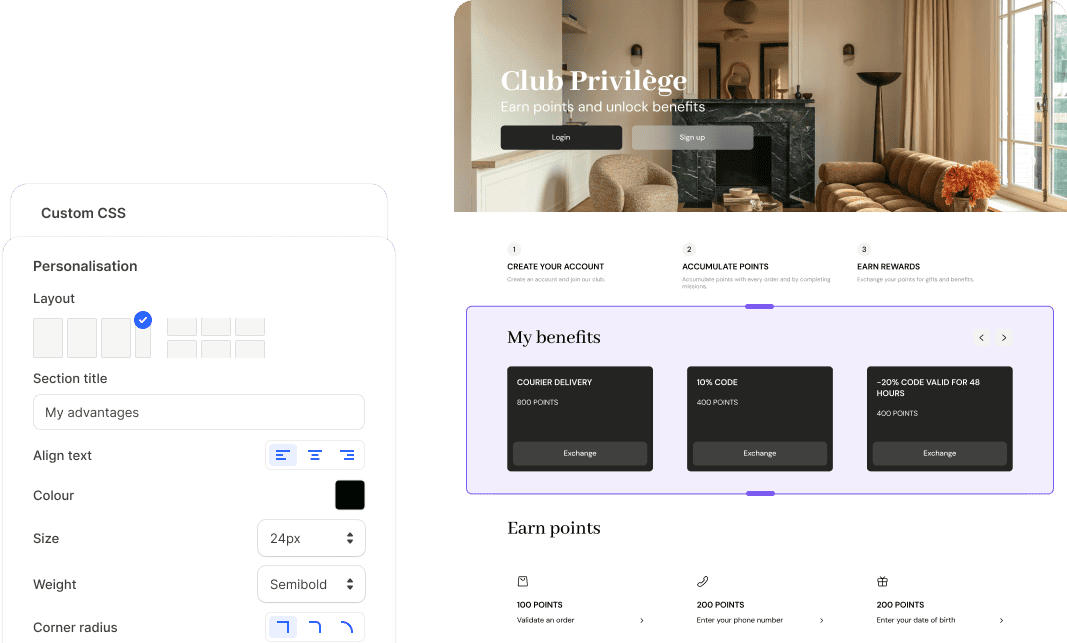
1. Full customisation to make your loyalty experience your own

Customisation isn’t just about changing colours or uploading your logo. It’s about creating a fully branded loyalty experience that feels native to your digital ecosystem.

The best loyalty software gives you total control over your reward rules, points logic, tier names, referral incentives, and on-site widgets.

You can define exactly how customers earn and redeem points, adapt the visuals to your design system, and even segment experiences by customer group.

This flexibility ensures your loyalty program reinforces your brand identity rather than diluting it.

Advanced tools even offer API-level customisation, enabling brands to build unique loyalty mechanics that connect seamlessly with their existing CRM, POS, or mobile app.

In short: personalisation at this level transforms a simple reward system into a true brand asset.

2. Deep analytics and performance tracking

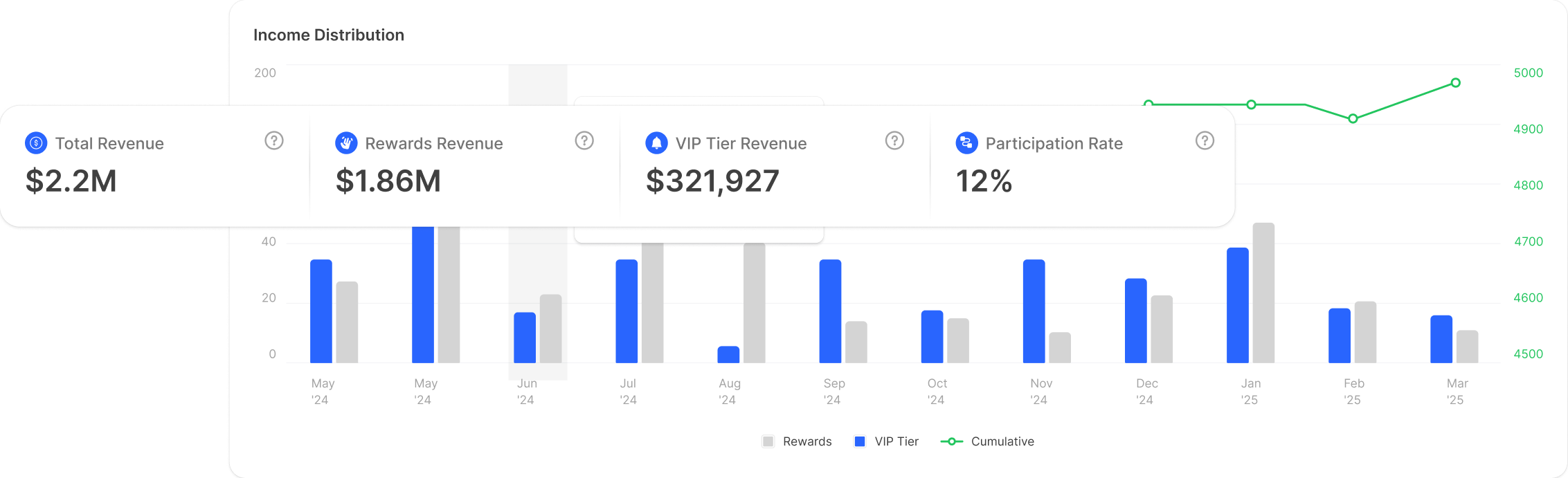
A loyalty platform without analytics is like flying blind. You need to know exactly what drives engagement, who your best customers are, and where your rewards strategy is underperforming.

The top loyalty program software offers real-time dashboards, showing metrics like reward redemption rate, referral conversion, AOV lift, purchase frequency, and churn probability.

Some even integrate directly with Google Analytics or Shopify data layers, giving a 360° view of performance. With these insights, marketing teams can identify high-value segments, test new reward structures, and correlate loyalty participation with actual sales growth.

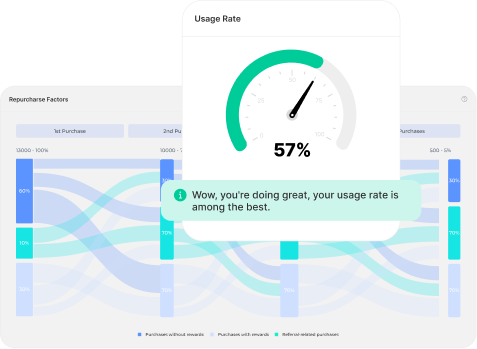
The best systems go further, offering predictive analytics and cohort analysis, helping you anticipate customer drop-off and intervene before it happens.

3. Hyper-personalised rewards that drive action

Generic discounts no longer cut it. Customers expect loyalty experiences that reflect their individual preferences and past behaviour.

The best loyalty software enables personalised rewards, dynamically adjusting offers based on purchase history, frequency, or product category.

For example, a VIP customer might receive early access to new drops, while first-time buyers get bonus points on their second purchase.

These contextual incentives make loyalty programs more relevant, and more profitable. Combined with automated triggers and segmentation data, you can deliver the right message, to the right customer, at the right time.

It’s the difference between another marketing gimmick and a genuine engagement engine.

4. Referral programmes that actually convert

Referral programs are one of the most efficient acquisition levers available.

Yet, many fail due to poor UX or misaligned incentives. A robust loyalty platform makes referrals simple, trackable, and rewarding for both the sender and the receiver.

Customers can share referral links via email, social media, or SMS, earning points, vouchers, or cash rewards once their friends convert.

Advanced tools allow for multi-tiered referral tracking, ensuring fair attribution and preventing abuse.

When integrated into your overall loyalty ecosystem, referral mechanics help brands acquire new customers at a lower CPA while strengthening brand trust through peer recommendation.

5. VIP tiers & status management

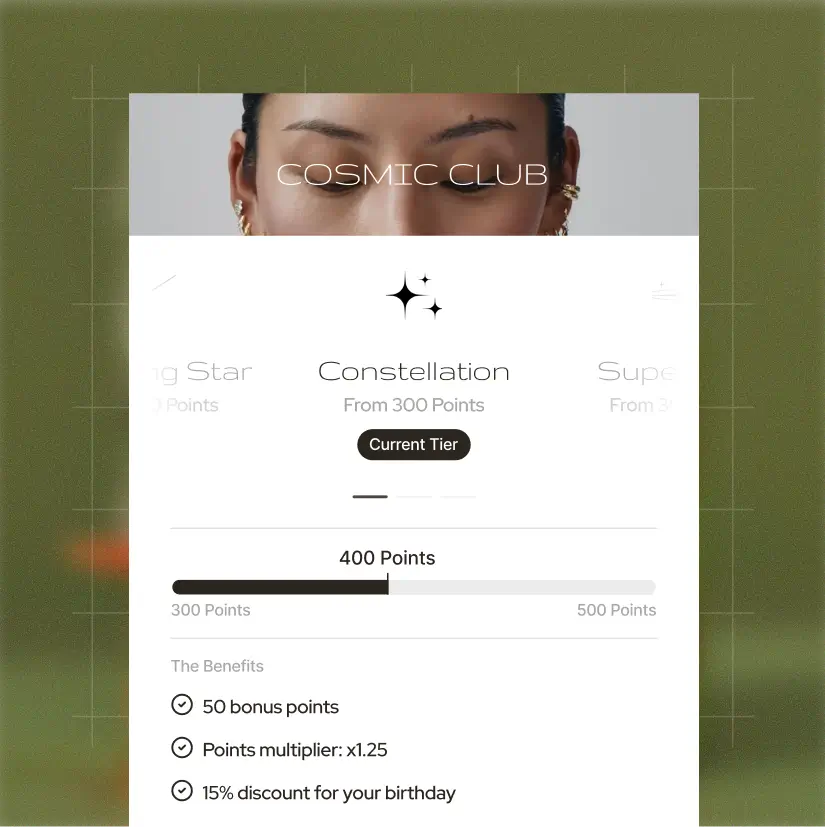
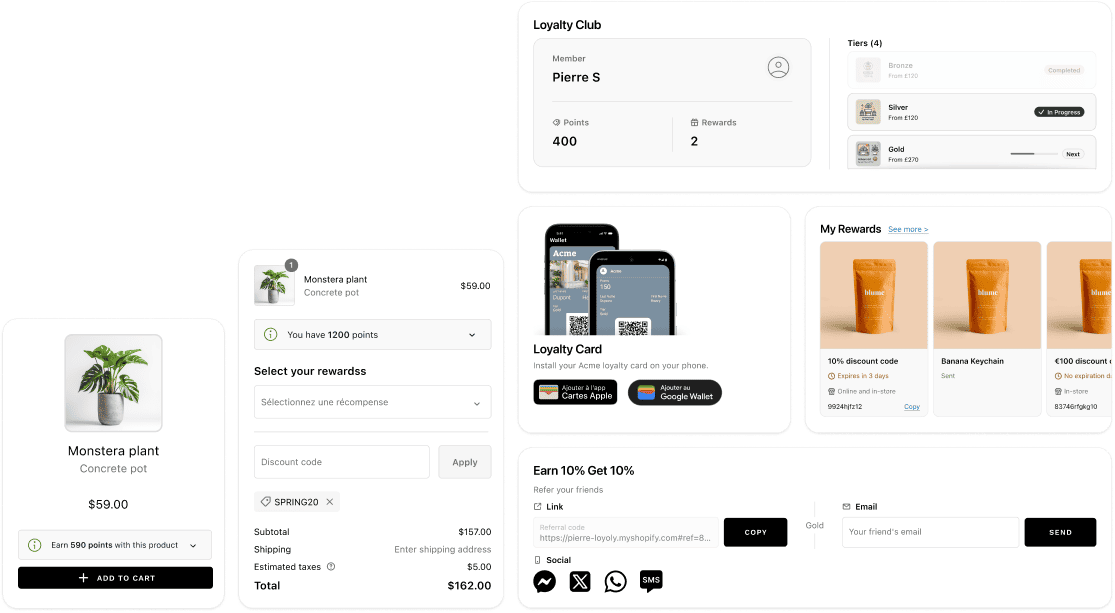
Gamification is a proven driver of engagement, and VIP tiers embody it perfectly. By introducing levels (bronze, silver, gold, VIP) you create progression, status, and exclusivity.

The best loyalty software lets you define tier thresholds based on spend, purchase frequency, or engagement points. Each tier can unlock unique perks: early access, double points weekends, exclusive gifts, or dedicated support.

These tiered systems reinforce emotional connection and give customers a tangible reason to stay loyal.

Advanced programs even display progress bars and milestone notifications to sustain motivation. When done right, VIP management transforms transactional loyalty into aspirational loyalty.

6. Digital wallet for seamless rewards management

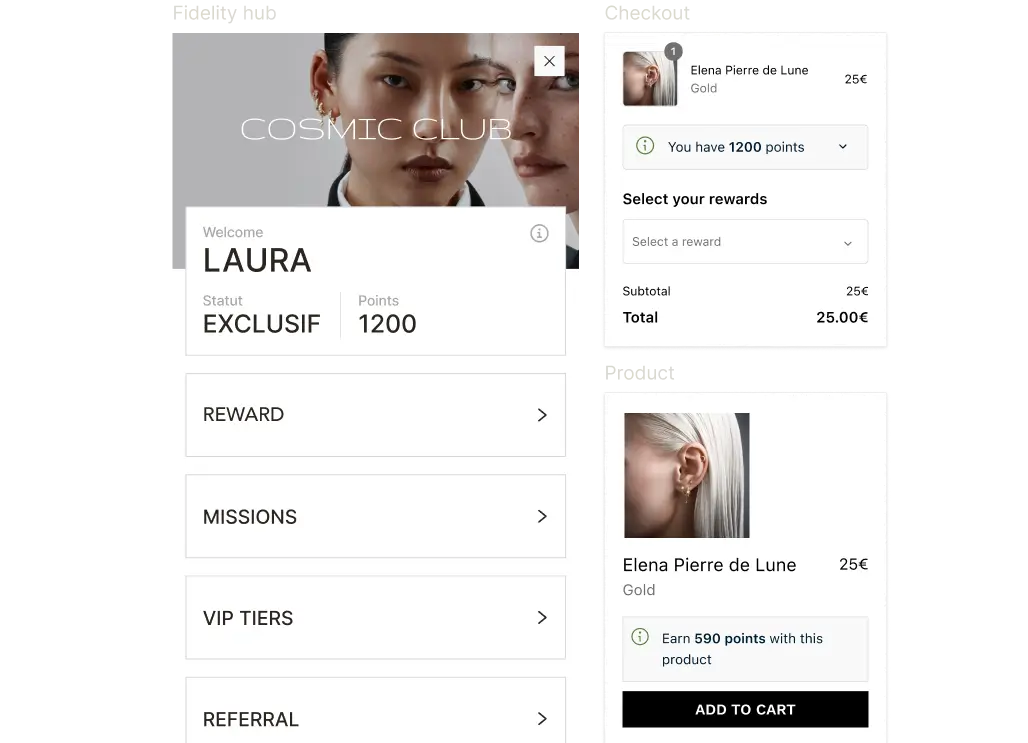
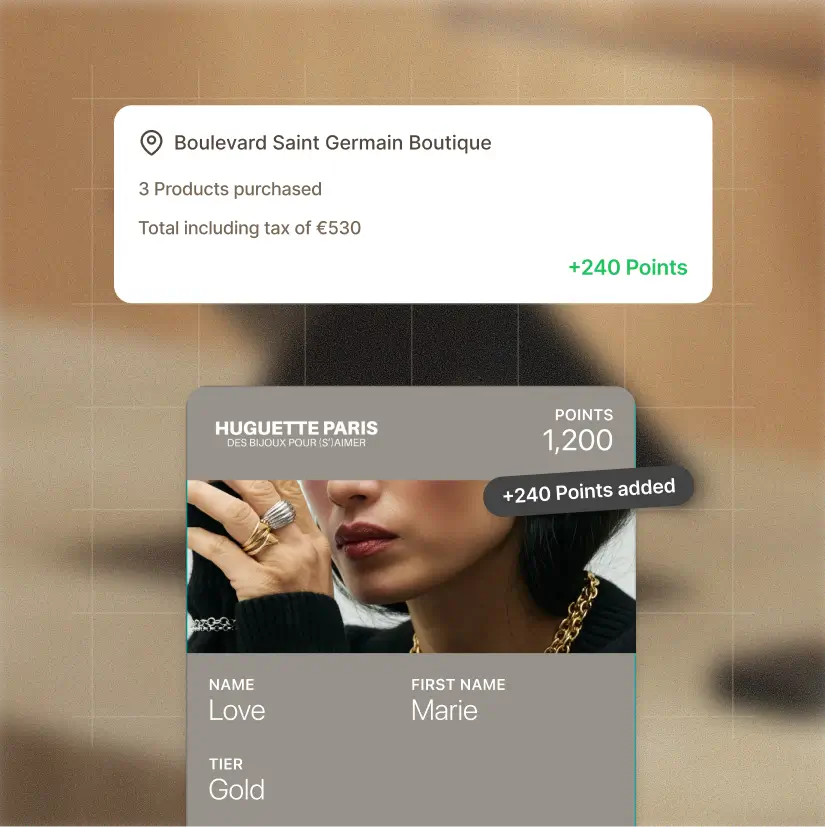
A loyalty wallet simplifies how customers track and redeem their benefits. Instead of juggling emails or discount codes, they access a centralised dashboard within your store or app, showing point balance, vouchers, and upcoming rewards.

Top-tier platforms integrate the wallet directly into your eCommerce UI (desktop, mobile, or even POS) creating a unified experience across channels.

The wallet can also support gift cards, cashback, and credit systems, offering flexibility for both customers and finance teams. Beyond convenience, this feature drives engagement by making rewards visible, tangible, and easy to use.

Visibility equals motivation: when customers can see their progress, they’re more likely to engage.

7. Customer segmentation for smarter engagement

Effective loyalty isn’t one-size-fits-all. The strongest loyalty management systems use advanced segmentation to target customers based on their lifecycle stage, purchase behaviour, or predicted value.

You can group customers by AOV, churn risk, location, or product preference, then deliver tailored offers or messages. Combined with marketing automation tools like Klaviyo or HubSpot, segmentation enables highly relevant campaigns that feel personal at scale.

The result: higher redemption rates, better retention, and more efficient marketing spend.

A data-driven segmentation engine transforms your loyalty program into a precision retention tool.

8. Omnichannel integration to connect every touchpoint

Modern loyalty programs live across multiple touchpoints: website, POS, mobile app, email, and SMS.

The best loyalty software ensures all these channels speak to each other through API and real-time data sync. A purchase made in-store can instantly update a customer’s profile online.

An SMS reward can trigger an in-app notification. When your CRM, marketing automation, and loyalty system are truly integrated, you unlock a consistent, seamless experience.

This omnichannel synchronisation is critical for retail and eCommerce brands aiming to provide continuity from first purchase to post-sale engagement.

9. UX & ease of use because adoption matters

Powerful doesn’t have to mean complicated. The top loyalty platforms prioritise a clean, intuitive interface that marketers can operate without developer support.

From drag-and-drop builders to visual workflow automation, the UX should make it simple to design, launch, and monitor campaigns.

On the customer side, frictionless UX means clear reward visibility, intuitive redemption flows, and responsive design.

When adoption is easy, engagement follows. Poor UX, on the other hand, kills even the best-designed loyalty strategy before it begins.

10. Reliable support that grows with your business

When something breaks or you want to scale, responsive support makes all the difference.

Look for vendors that offer multi-channel support (chat, email, live call) and a dedicated account manager for enterprise tiers.

Beyond reactive help, top providers offer strategic support: success plans, quarterly reviews, and best practice consultations.

A good loyalty partner isn’t just a software provider. It’s an extension of your growth team.

As your program matures, you’ll want expert guidance on optimisation, integration, and performance management.

10 key features to look for in a customer loyalty program platform
10 key features to look for in a loyalty program software


7 best loyalty program softwares in 2025 (comparison)

We’ve reviewed the most powerful loyalty platforms shaping the eCommerce landscape in 2025.

Each of these tools helps brands retain customers, boost repeat purchases, and build emotional loyalty but they differ in focus, pricing, and scalability.

Let’s break down the seven best loyalty program software solutions for UK and European eCommerce brands.

Loyoly

Loyoly is redefining loyalty by orchestrating post-purchase engagement rather than limiting itself to points and tiers.

This platform focuses on personalised customer journeys, activating loyalty, UGC, referrals, and reviews through one seamless experience.

What makes Loyoly stand out is its ability to automate engagement based on real customer behaviour and segmentation data. Instead of static campaigns, it reacts dynamically to each customer’s actions (purchase, review, referral, or inactivity).

For brands seeking to unify advocacy, loyalty, and retention in a single intelligent system, Loyoly represents a new generation of loyalty platforms built for growth.

Key Features

  • Loyoly allows brands to orchestrate behaviour-based engagement triggers that respond automatically to post-purchase actions.
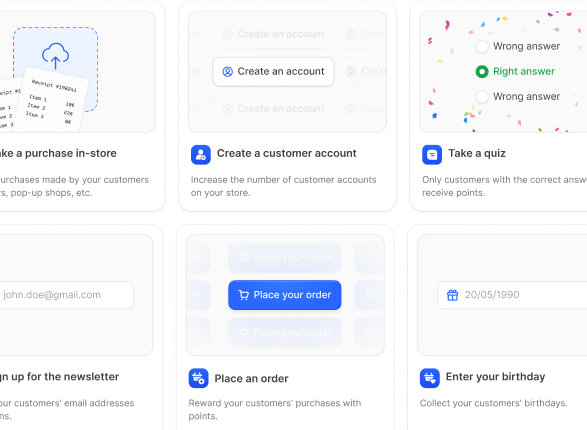
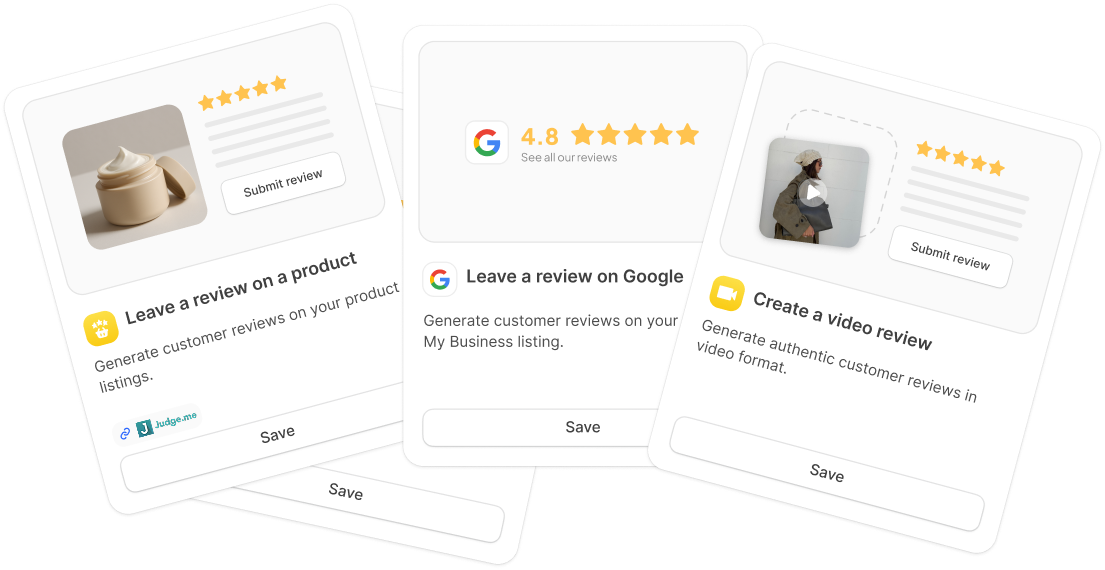
  • It offers more than 40 engagement mechanics, including referrals, UGC, VIP tiers, reviews, and social media challenges.
  • The platform provides advanced segmentation and automation workflows, making it easy to target each customer at the right time.
  • Native Shopify, Klaviyo, and CRM integrations ensure seamless omnichannel experiences.
  • Real-time analytics dashboards deliver actionable insights on customer lifetime value, redemption rate, and performance trends.
  • The interface is designed for agility, allowing teams to iterate and launch new loyalty experiences quickly.

Pros and cons

✅ Exceptionally flexible for complex loyalty and engagement scenarios.

✅ Combines loyalty, advocacy, and post-purchase communication in one platform.

✅ Offers deep analytics and segmentation tools that rival enterprise CRMs.

✅ Unlike most of its competitors, Loyoly's loyalty programs encourage customers to create and share royalty-free UGCs, which the brand can then reuse as it sees fit

✅ Customer support is available 24/7 and takes great care of customers.

❌ Loyoly currently only integrates with Shopify and PrestaShop brands

Pssst... You might find this interesting!

500+ ecommerce brands chose Loyoly to create their loyalty program.

Loyoly website, a loyalty program software

Yotpo

Yotpo offers a loyalty and marketing ecosystems for eCommerce. It offers a complete suite combining loyalty, reviews, and UGC, which allows brands to manage multiple retention channels within one ecosystem.

This integration-first approach makes Yotpo ideal for brands wanting a single source of truth for customer engagement.

With a strong reputation among Shopify Plus and Magento merchants, it’s a robust, scalable option for teams that prioritise data and automation over simplicity.

Key features

  • The Yotpo suite connects loyalty, referrals, SMS, and reviews in a unified customer experience.
  • Its analytics engine tracks customer lifetime value, engagement scores, and campaign ROI.
  • Brands can build tiered programs, referral campaigns, and reward systems with flexible rules and triggers.
  • The Shopify and Klaviyo integrations sync customer profiles and campaign data in real time.
  • Yotpo also supports multi-language programs and regional campaigns for global scalability.


Pros and cons

✅ Effortlessly integrate product reviews on your e-commerce website, building trust and credibility among potential customers.

✅ Yotpo offers a wide range of integration options, making it compatible with various e-commerce platforms and systems.

✅ The AI-driven reviews generation ensures a continuous flow of valuable customer feedback and user-generated content.


❌ Limited integration with point-of-sale (POS) systems, which might be a drawback for some businesses with physical stores.

❌ As you upgrade from free plans or add more features, the cost of Yotpo can increase significantly, potentially making it less accessible for small businesses with budget constraints.

Compare Yotpo with Loyoly here.

Yotpo website, a loyalty program software


Smile.io

Smile.io remains one of the most accessible loyalty solutions for growing Shopify stores.

It focuses on simplicity and fast implementation, making it perfect for SMBs launching their first loyalty program.

Despite its ease of use, Smile.io offers some solid functionality, including points-based rewards, referral programs, and VIP tiers.

The platform’s intuitive dashboard allows marketers to launch loyalty initiatives without technical support, and its free plan makes it easy to test before scaling.

Key Features:

  • Smile.io enables points, referral, and VIP-based loyalty programs with ready-to-use templates.
  • The platform offers plug-and-play Shopify integration that requires no custom development.
  • Its dashboard displays customer engagement metrics and reward redemptions in real time.
  • Smile.io supports custom rewards, including discounts, free products, and shipping vouchers.
  • A free plan is available, ideal for smaller brands testing loyalty mechanics.


Pros and cons

✅ Easy to operate, offering a user-friendly experience for businesses of all sizes.

✅ Customizable widgets and rewards points names maintain the brand's unique identity throughout loyalty pages.

✅ Available in multiple languages, facilitating global operations for businesses worldwide.


❌ Limited depth in analytics and personalisation.

❌ Lacks advanced automation compared to enterprise-grade tools.

Smile.io website, a loyalty program software


Rivo

Rivo takes a Shopify-first approach to loyalty, reviews, and referrals.

Its minimalist interface and visual customisation options make it a favourite among DTC brands that value branding and simplicity.

Rivo blends gamified experiences with strong visual design, ensuring loyalty feels natural and on-brand.

While its analytics suite isn’t as advanced as enterprise competitors, Rivo compensates with fast deployment and sleek UX.


Key Features:

  • Rivo offers loyalty, referrals, and reviews within one unified app.
  • The setup is designed for Shopify merchants, with one-click installation and no developer dependency.
  • Customisation tools allow you to match your loyalty widget to your store’s design and tone of voice.
  • The support team is highly responsive, offering chat-based onboarding and personal guidance.
  • Rivo enables automated reward logic tied to purchases, sign-ups, or reviews.


Pros and cons

✅ Modern interface, perfectly aligned with Shopify UX standards.

✅ Quick and intuitive setup with real-time support.

✅ Great option for brands seeking a design-first loyalty tool.

❌ Limited segmentation and analytics depth.

❌ May not scale well for complex omnichannel programs

Rivo website, a loyalty program software

LoyaltyLion

LoyaltyLion is one of the most established loyalty software vendors in the UK and Europe.

Known for its data-driven loyalty programs, it focuses on customer retention, segmentation, and ROI tracking.

LoyaltyLion is trusted by hundreds of enterprise eCommerce retailers for its ability to integrate with POS, CRM, and analytics systems, creating a genuinely omnichannel view of loyalty.

With integrations for Shopify and Magento, as well as customizable features, LoyaltyLion integrates seamlessly with a brand's website. 


Key Features:

  • LoyaltyLion offers customisable points, tiers, and referral programs adaptable to any brand’s goals.
  • Its advanced analytics suite provides in-depth insights into behaviour, churn risk, and lifetime value.
  • Integration with Shopify Plus, Klaviyo, and Google Analytics enables unified data management.
  • The platform supports multichannel reward redemption, including POS and mobile app touchpoints.
  • LoyaltyLion also includes automated triggers and segmentation workflows for precise campaign targeting.


Pros and cons

✅ Robust data and analytics capabilities.

✅ Designed for omnichannel and enterprise-scale brands.

✅ Deep integration ecosystem for advanced marketing teams.

❌ Their pricing is high for brands handling more than 400 orders, potentially limiting affordability for larger businesses.

❌ Limited customer support availability may pose challenges for immediate assistance.

❌ Some users find the design interface counterintuitive, requiring extra effort to navigate effectively.

LoyaltyLion website, a loyalty program software


Okendo

Okendo is a loyalty solution that merges reviews, referrals, and rewards into a single feedback-driven ecosystem.

It’s ideal for brands that value social proof and advocacy as much as points or discounts.

Okendo’s biggest strength lies in creating a loop between reviews and loyalty: customers earn points for sharing photos, writing reviews, or referring friends.

This approach turns authentic UGC into a growth driver while rewarding participation.

Key features

  • Okendo combines reviews, referrals, and loyalty programs to drive both trust and retention.
  • Customers can earn points for UGC actions such as uploading photos or writing detailed feedback.
  • The platform offers clean, branded interfaces that align perfectly with eCommerce store design.
  • Integrations with Shopify, Klaviyo, and Gorgias enhance automation and customer communication.
  • Detailed analytics reveal how review activity correlates with purchase frequency and loyalty engagement.


Pros and cons

✅ Perfect for brands that want to connect UGC and loyalty.

✅ Simple and elegant UX for both customers and teams.

✅ Great at building trust-driven engagement loops.

❌ Lacks advanced automation and tier complexity.

❌ More focused on reviews than deep loyalty orchestration.

Okendo website, a loyalty program software

Stamped

Stamped is a modular loyalty and reviews platform that scales with your brand.

You can start small with reviews, then expand into loyalty, referrals, and UGC without changing systems.

This flexibility appeals to brands that want a unified engagement hub without committing to enterprise pricing from day one.

Stamped balances power and accessibility, offering solid analytics, integrations, and API flexibility for developers.

Key features

  • Stamped provides modular tools for reviews, referrals, and loyalty — all under one roof.
  • It integrates with Shopify, Klaviyo, and Mailchimp, syncing customer data and behaviour.
  • The platform’s analytics dashboard shows customer engagement metrics and ROI per campaign.
  • Developers can use open APIs for full control over program design and data flow.
  • POS compatibility ensures consistent experiences across online and offline channels.

Pros and cons

✅ Scalable and modular, good for brands evolving their loyalty strategy.

✅ Balanced between affordability and advanced functionality.

✅ Excellent integration ecosystem for marketing and analytics tools.

❌ UI slightly less modern than Loyoly, Rivo or Okendo.

❌ Some advanced features require developer support for setup.

Stamped website, a loyalty program software

How to choose the best loyalty program software for your business

Choosing the right loyalty software can define the success of your retention strategy. The key is to align your choice with your goals, your tech stack, and your team’s capabilities, not just with pricing or popularity.

Start by defining what success means for your loyalty program. If your main goal is to increase repeat purchases, look for platforms that excel in automation, segmentation, and analytics. If your priority is advocacy or referrals, choose tools that integrate UGC, social sharing, and referral mechanics. Clear objectives make comparison meaningful.

Your tech ecosystem matters too. Ensure your loyalty software integrates smoothly with Shopify, Klaviyo, POS systems, or your CRM. API flexibility is essential if you plan to scale or sync data with your existing marketing automation tools. Closed systems will limit future performance.

Next, consider scalability and automation. The best loyalty platforms adapt as your customer base grows, automatically triggering rewards, reminders, or reactivation campaigns without manual effort. This saves time and ensures consistent engagement across channels.

Budget plays a role, but it shouldn’t be the deciding factor. Many brands start with free or entry-level plans like Smile.io or Rivo, then move to advanced tools such as Loyoly or LoyaltyLion once retention becomes a core growth lever. Always test usability during a free trial or demo before committing long-term.

Finally, evaluate user experience and support. A loyalty program must be intuitive both for your customers and your marketing team. Prioritise clean interfaces, clear analytics, and responsive support — ideally in your time zone. A great vendor acts as a partner, not just a software provider.

In the end, the best loyalty program software is the one that fits your customer lifecycle, data maturity, and growth ambitions. A scalable, well-integrated, and data-driven platform will help you build loyalty that lasts — and profits that follow.

To sum up, the best loyalty program software is the one that fits your goals, data maturity, and customer base, not necessarily the most expensive one. Loyoly leads in behavioural engagement, while Smile.io remains unbeatable for simplicity.

Most loyalty programs focus on points. At Loyoly, we help brands focus on people. By combining loyalty, referrals, reviews, and UGC into one connected post-purchase journey, we help you transform every customer into an engaged advocate. Start with a personalised demo to discover how behavioural automation and real-time data can unlock your retention potential.

Recommended for you👇