
.png)


The loyalty landscape is shifting fast. Brands that built their retention strategy around a basic points-for-purchases model are quietly watching their programs lose steam. And it makes sense: consumers have more choices, higher expectations, and frankly, less patience for programs that feel transactional and generic.
So what are the loyalty program trends worth paying attention to right now? Not the buzzword-heavy ones that sound great on a slide deck but never make it into a real roadmap. The ones that are already reshaping how brands think about customer retention, LTV, and long-term engagement.
Let's dig in.
Why most loyalty programs are underperforming right now
Before getting into trends, let’s be honest about where we are. According to the Loyoly Industry Report 2025, 71% of consumers say they’re members of at least one loyalty program. But only 33% are actively engaged in 3 to 4 programs max, and 7% are active in none at all.
Membership and engagement are not the same thing. A customer who signs up and never comes back doesn’t improve your P&L. The gap between enrolment and actual activation is where most brands are bleeding retention potential.
The programs that are winning aren’t necessarily the most generous ones. They’re the most relevant ones. That’s the shift we need to understand.
Trend 1: AI-powered personalization moves from pilot to production
For a couple of years, “AI in loyalty” mostly meant recommendation engines and basic segmentation. In 2026, the conversation is different. Artificial intelligence is now driving dynamic reward logic, predictive churn triggers, and individualized engagement flows at scale.
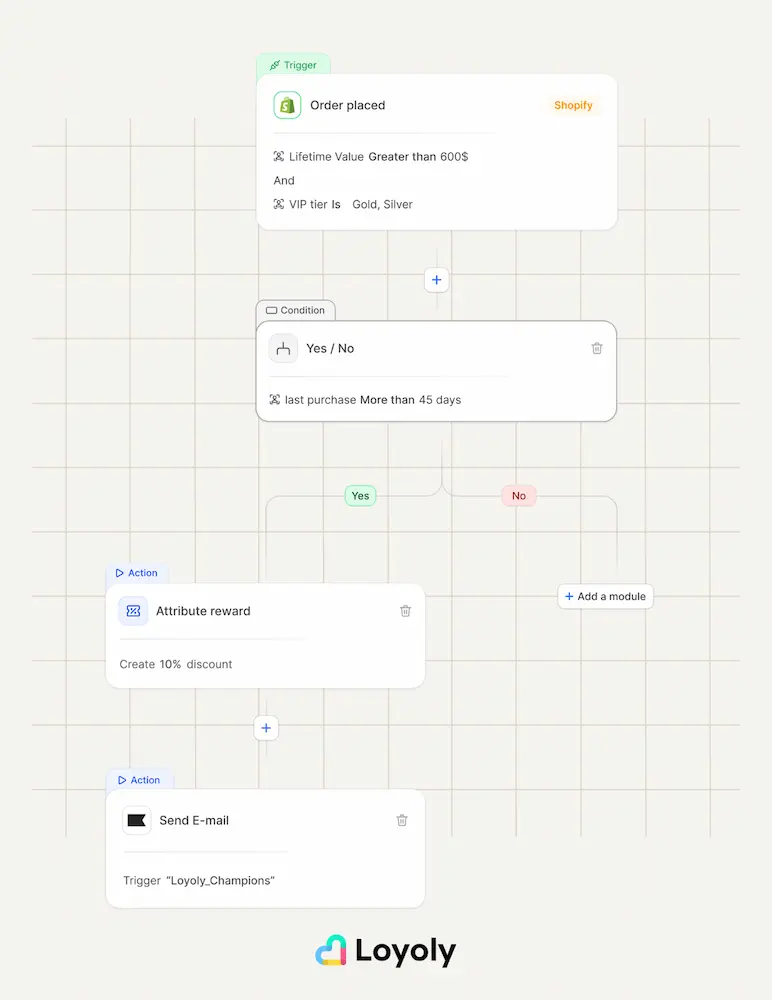
The idea is simple: every customer has a different engagement threshold. Some respond to points challenges. Others need a discount to come back after 60 days of silence. Others just want to feel recognized. Static rule sets can’t handle that complexity. AI can.
Predictive churn prevention as a loyalty mechanic
One of the most underused applications of AI in loyalty is churn prediction. Instead of waiting for a customer to go quiet and then blasting them with a generic “we miss you” email, smart platforms identify the behavioral signals that precede disengagement: declining purchase frequency, decreasing email open rates, drop in reward redemption.
When those signals appear, an automated flow can trigger a targeted reward, a personalized challenge, or a VIP tier nudge. The intervention happens at the right moment, not six weeks too late. That’s what separates reactive retention from proactive retention.
Dynamic reward personalization based on behavior
Not every customer values the same type of reward. A customer who consistently buys from a specific product category shouldn’t receive a generic discount on everything. A customer who has never redeemed a reward needs a different nudge than a power user who maxes out every promotion.
Behavioral segmentation, when fed into your loyalty engine, allows rewards to be personalized in real time. The result: higher redemption rates, stronger perceived value, and a loyalty experience that feels tailored rather than templated. According to the Loyoly Benchmark 2026, engaged customers in the Beauty & Wellness sector show a purchase frequency multiplied by 2 once they’ve completed three engagement mechanics.
Automated engagement journeys triggered by lifecycle events
A purchase is not the only moment worth acting on. Post-purchase journeys that include review requests, UGC prompts, referral invitations, and points milestones are consistently outperforming single-touch follow-ups.
The brands that have built these automated sequences using platforms like Loyoly, connected to their CRM stack (Klaviyo, Braze...), are seeing compounding returns: each additional engagement mechanic completed pushes the customer further up the LTV curve. In Fashion & Apparel, LTV progresses by +60% between a lightly engaged and a highly active customer (Loyoly Benchmark 2026).
Trend 2: The mobile wallet becomes the loyalty channel
Push notifications are dead. Long live push notifications. The nuance matters: generic push notifications sent to everyone are a fast track to opt-outs. But hyper-targeted, geo-triggered wallet push notifications tied to a loyalty card? That’s a different story entirely.
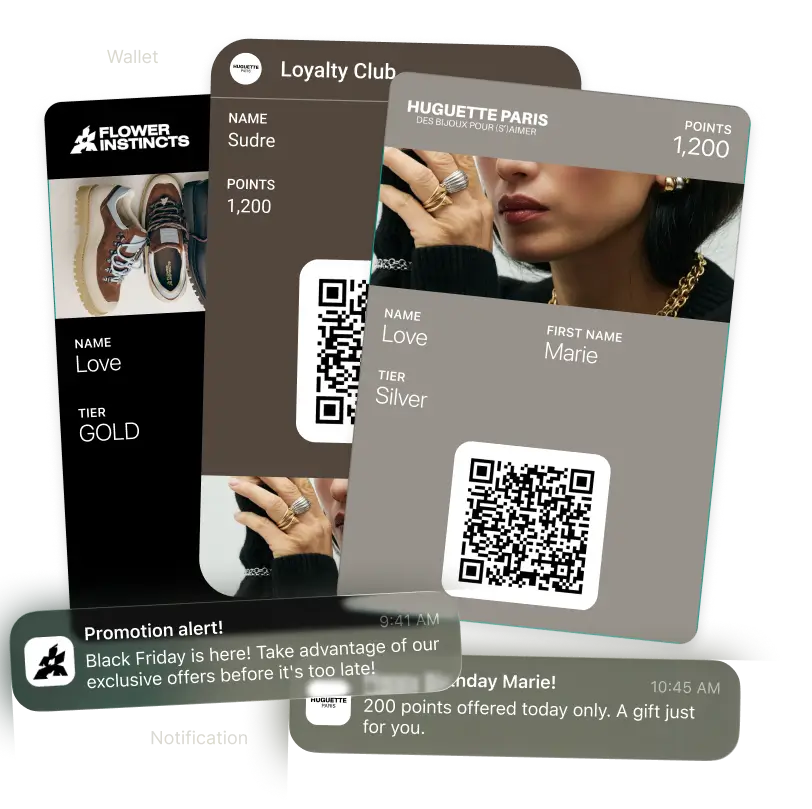
The digital wallet (Apple Wallet and Google Wallet) is emerging as one of the most powerful loyalty touchpoints of 2026. Here’s why: it lives on the lock screen, it doesn’t require an app download, and it stays updated in real time. When a customer walks past your store, a geo-triggered push notification reminds them they have 200 points available. That’s not interruption marketing. That’s contextual loyalty activation.
Why the wallet beats the app for most brands
Building and maintaining a branded app requires significant investment. The average e-commerce brand simply doesn’t have the development resources or the user base to justify it. A native loyalty wallet card, integrated directly into Apple Wallet or Google Wallet, sidesteps all of that.
No download friction. No app store reviews to manage. No push notification permissions to negotiate. The customer adds the card once during onboarding or post-purchase, and from that moment on, you have a direct, always-visible channel into their daily life. Loyoly’s wallet feature is built in-house, meaning dynamic updates, geo-triggers, and personalized content all happen without third-party dependencies.
Geo-triggered loyalty as a bridge between online and offline
For brands with physical retail presence, the wallet unlocks something that CRM alone can’t deliver: real-time location-based engagement. A customer who bought online three times but has never visited the store can receive a tailored push when they’re within 500 meters of the nearest location.
This is where omnichannel loyalty becomes more than a buzzword. The ability to earn and redeem points both online and in-store, reinforced by geo-triggered notifications, creates a seamless experience that drives foot traffic and increases purchase frequency across channels. According to our data, 30% of consumers say the ability to earn points both online and in-store is a key driver of active program participation (Loyoly Industry Report 2025).
Trend 3: Emotional loyalty and community replace transactional mechanics
Here’s a stat worth sitting with: 26% of consumers say they’d pay more for a brand they feel loyal to, even when cheaper alternatives exist. That’s up 8 points versus 2024, according to the Loyoly Industry Report 2025. Emotional loyalty is measurable, and it’s growing.
The brands winning on this front aren’t doing it with points. They’re doing it with identity, shared values, and a genuine sense of belonging. That’s harder to copy than a discount structure, which is exactly what makes it a competitive moat.
VIP tiers as status and identity, not just perks
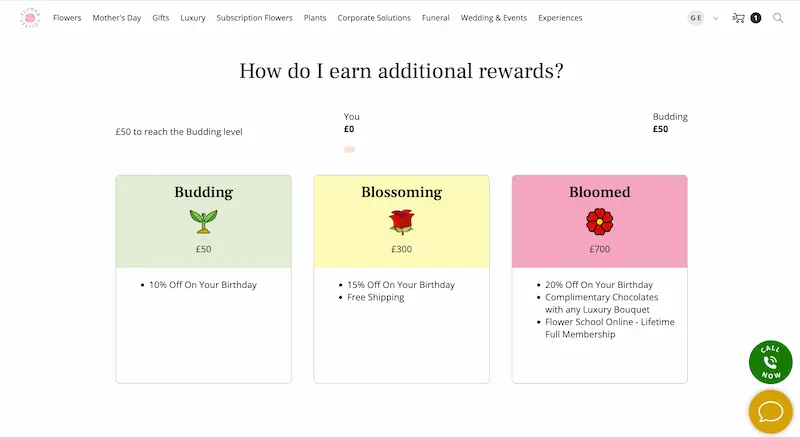
A well-designed tiered loyalty program isn’t just about unlocking rewards. It’s about making customers feel like they belong to something exclusive. The psychological mechanics at play here are well-documented: status, reciprocity, loss aversion (nobody wants to drop from Gold to Silver).
The brands that do this well align their tier names and perks with their brand identity, not just their discount budget. A fashion brand’s Gold tier might offer early access to drops and styling sessions. A wellness brand might offer personalized coaching for its top tier. The reward is experiential, not just financial. Loyoly’s Benchmark shows that in the Home & Decoration sector, engaged customers generate +117% LTV versus non-engaged ones.
Community-driven loyalty programs
The next step beyond tiers is community. Brands like Venum and La Belle Boucle (both Loyoly customers) have built loyalty programs that feel less like a points system and more like a club. Customers share content, vote on new products, participate in challenges, and interact with each other.
This kind of community-driven program generates UGC (photos, videos, reviews) as a byproduct of loyalty, reducing the need to invest separately in content production. It also creates social proof at scale, which feeds back into acquisition. The acquisition and retention flywheel becomes self-reinforcing when community is at the center.
.webp)
Values-based loyalty and purpose programs
Consumers are increasingly willing to be loyal to brands whose values align with their own. Sustainability actions, charitable donations, social impact missions: these are becoming legitimate loyalty mechanics.
A customer who earns points for choosing eco-friendly packaging or for donating their points to a cause is experiencing a values-based engagement that goes beyond the transaction. Brands that have integrated CSR mechanics into their loyalty program report stronger long-term engagement from their most valuable customer segments.
Trend 4: First-party data collection becomes the core loyalty use case
The death of third-party cookies wasn’t just an advertising problem. It was a wake-up call for anyone relying on behavioral data they didn’t own. First-party data, collected directly from customers through consensual interactions, is now a strategic asset, and loyalty programs are the most natural vehicle to collect it.
When a customer fills out a preference survey in exchange for bonus points, completes a profile for a birthday reward, or participates in a product quiz mission, they’re providing high-quality, declared data. That data feeds your CRM segmentation, your email personalization, and your product strategy.
Engagement mechanics as data collection tools
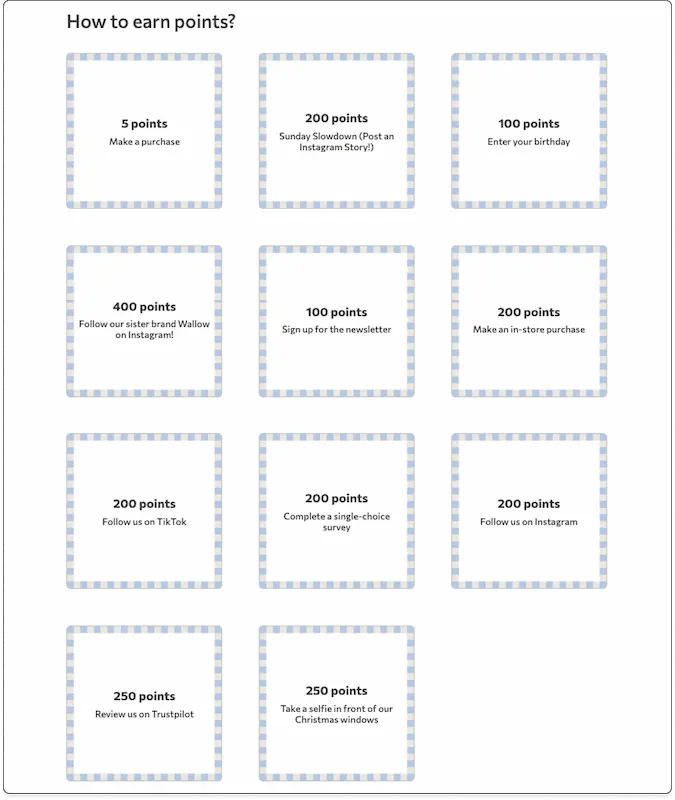
The smartest loyalty programs in 2026 are designed with a dual purpose: reward the customer, and collect data in the process. A review mission generates social proof. A survey mission generates product insights. A photo-sharing mission generates UGC. And all of it generates behavioral signals that make your segmentation sharper.
This dual-purpose design is exactly why platforms like Loyoly offer 40+ engagement mechanics, not just points-for-purchases. Each mechanic is both a customer engagement touchpoint and a data collection moment. The brands that understand this are building a first-party data advantage that becomes increasingly valuable over time.
Zero-party data through personalized loyalty experiences
Zero-party data, information that customers explicitly share about their preferences, intentions, and motivations, is the highest quality data you can collect. A customer who tells you they prefer minimalist design, size M, and sustainability matters to them is giving you targeting gold.
Loyalty programs that include preference surveys, product quizzes, and profile completion missions as engagement mechanics are quietly building a zero-party data layer that most competitors can’t replicate through paid channels. Check our full guide on how to collect and use first-party data for more on this.
Trend 5: Referral programs evolve into full acquisition engines
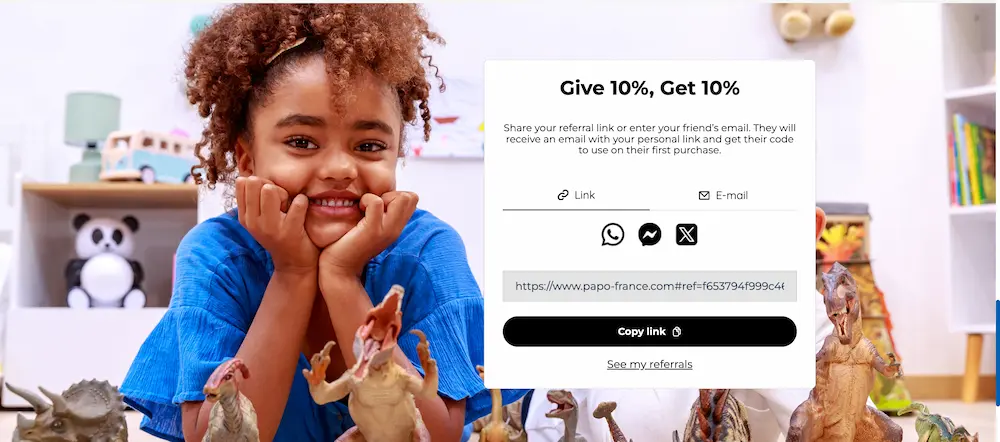
Referral as a loyalty mechanic has been around forever. What’s changing in 2026 is the sophistication with which brands are approaching it. According to the Loyoly Benchmark 2026, referral conversion rates sit between 30% and 41.5% depending on the sector. Fashion & Apparel leads at 41.5%, Health & Supplements at 39.1%. Those are extraordinary numbers compared to most paid acquisition channels.
Integrating referral into the loyalty loop
The most effective referral mechanics don’t live in isolation. They’re woven into the loyalty program as a high-value mission that unlocks status benefits, bonus points, or exclusive rewards. A customer who refers three friends and unlocks a Gold tier benefit has a completely different emotional relationship with the brand than one who clicks a referral link out of a one-off email.
Displaying the referral link at the right moment (on the post-purchase thank you page, inside the loyalty widget, on the wallet card) is as important as the reward structure itself. For a full breakdown of referral strategy, check out our guide to referral marketing for ecommerce.
Reward structures that align with your CAC math
The classic mistake in referral programs is setting reward values without thinking about unit economics. If your average order value is under €50, a €10 coupon for both referrer and referee is a reasonable starting point. If your AOV is above €80, a voucher often outperforms a discount code by encouraging the new customer to spend more.
The right referral reward is the one that keeps your CAC from this channel below your CAC from paid channels. Compare your program’s performance against your paid acquisition CPA regularly, and adjust accordingly.
Trend 6: UGC and social proof become loyalty outputs
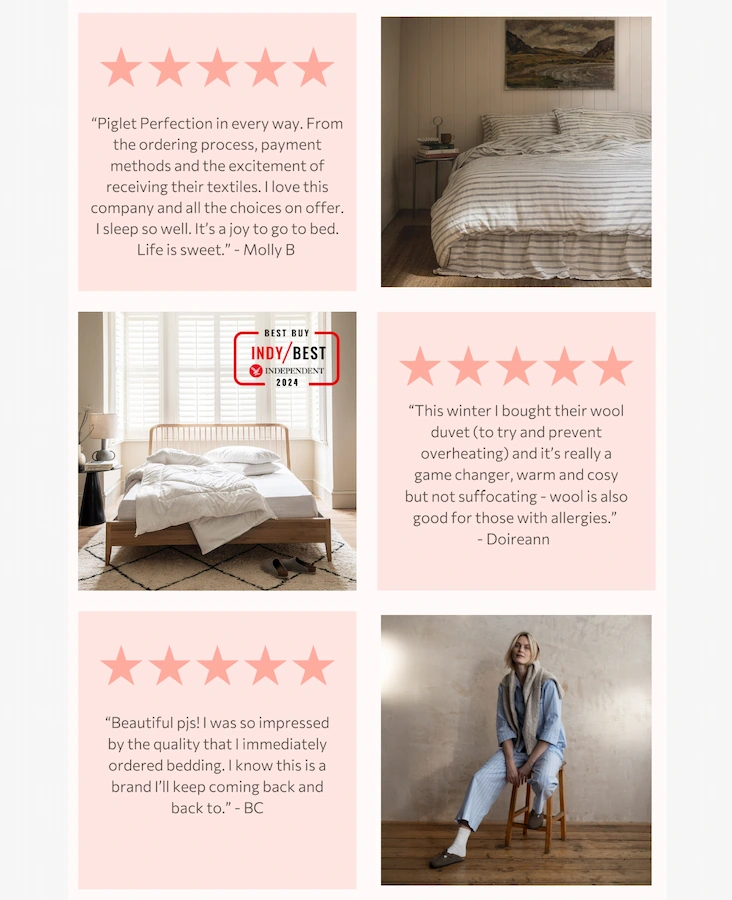
One of the most underexploited shifts in loyalty strategy is treating user-generated content as a natural output of a well-designed program. According to the Loyoly Industry Report 2025, 59% of consumers are willing to leave a positive review in exchange for rewards, making it the most popular incentivized action. And 27% are willing to like, comment, or share a post for a reward, up 10 points versus the previous year.
Review generation as an engagement mechanic
A review mission is one of the highest ROI mechanics you can add to a loyalty program. The customer earns points. You get a verified review on Google, Trustpilot, or your product pages. That review then influences the purchase decision of future customers, reducing your cost of acquisition over time.
The key is timing: the best moment to ask for a review is shortly after delivery, when the product experience is fresh and enthusiasm is high. Automating this through a post-purchase loyalty flow, integrated with your review platform, means you capture this window consistently.
Social media missions that build brand visibility
Beyond reviews, social missions (following on Instagram, sharing a story, posting a photo with a branded hashtag) turn loyal customers into an organic distribution network. The reach is real, the creative is authentic, and the cost is a few bonus points.
Platforms that verify social missions automatically are the ones that can scale this mechanic without operational overhead. Loyoly’s automated verification engine handles Instagram posts, stories, reels, TikTok content, and more, ensuring brands only reward genuine interactions.
Trend 7: Omnichannel loyalty becomes non-negotiable
Customers don’t think in channels. They move between online and offline without friction, and they expect their loyalty experience to follow. A customer who earns 500 points online and can’t redeem them in-store doesn’t have an omnichannel loyalty program. They have two disconnected experiences wearing the same brand name.
Getting omnichannel right requires real-time point balance visibility, in-store redemption flows, and POS integration that actually works at scale. That means connecting your loyalty program to Shopify POS, Cegid, Fastmag, or whatever system your stores run on.
In-store earning and redemption as loyalty drivers
The data is clear: 30% of consumers list the ability to earn and redeem points across both online and physical channels as a key driver of active program participation (Loyoly Industry Report 2025). For brands with both an online store and physical locations, in-store loyalty integration isn’t optional; it’s a retention lever you’re leaving on the table if you don’t have it.
QR code redemption in-store is one of the simplest implementations: the customer shows their wallet card or loyalty page, the store associate scans the QR, and the points are applied. No login required at the counter. No friction.
Wallet as the omnichannel connector
This is where the digital wallet comes full circle. The loyalty wallet card isn’t just a mobile touchpoint. It’s the thread that stitches online and offline together. The balance is always current. The geo-trigger fires when the customer is near a store. The QR code works at the register. And the push notification reminds them, at the right moment, that they have rewards worth using.
For a detailed breakdown of how to build a powerful omnichannel loyalty program, we’ve covered the full playbook.
To sum up: In 2026, the loyalty programs that drive real LTV gains combine AI-powered personalization, mobile wallet activation, community-driven engagement, first-party data collection, and seamless omnichannel redemption, moving well beyond the transactional points models of the previous decade.
Loyoly was built precisely for this shift. With 40+ engagement mechanics, a native wallet feature with geo-triggered push notifications, automated referral flows, and deep omnichannel integrations (Shopify POS, Cegid, Fastmag), Loyoly gives e-commerce and retail brands the infrastructure to turn every customer interaction into a retention moment. If your current program still feels like a points spreadsheet, it might be time to see what a modern loyalty platform actually looks like in practice.
FAQ
What are the biggest loyalty program trends in 2026?
The major trends include AI-powered personalization, mobile wallet integration with geo-triggered push notifications, emotional and community-driven loyalty, first-party data collection through engagement mechanics, and seamless omnichannel earning and redemption. Programs combining several of these elements consistently outperform transactional-only models on LTV metrics.
How is AI changing loyalty programs?
Artificial intelligence is enabling brands to move from static rule-based programs to dynamic, behavior-driven loyalty journeys. AI handles predictive churn prevention, personalized reward recommendations, and automated engagement triggers at a scale that manual segmentation can’t match. The result is a loyalty experience that adapts to each customer rather than treating everyone the same.
Why is the digital wallet becoming important for loyalty?
The digital wallet (Apple Wallet, Google Wallet) offers a frictionless loyalty touchpoint that requires no app download, lives on the customer’s lock screen, and supports real-time updates and geo-triggered push notifications. For brands with physical stores, it also acts as the connector between online loyalty balances and in-store redemption, making it a genuine omnichannel asset.
What is emotional loyalty and why does it matter?
Emotional loyalty refers to the connection a customer feels with a brand beyond purely rational factors like price or convenience. Brands that build emotional loyalty see higher willingness to pay, stronger advocacy, and lower churn rates. According to the Loyoly Industry Report 2025, 26% of consumers now say they would pay more for a brand they feel loyal to, up 8 points versus 2024.
How can a loyalty program help collect first-party data?
Every engagement mechanic in a loyalty program (profile completion, preference surveys, product quizzes, review missions) generates declared or behavioral data directly from the customer. This first-party data can be used to improve CRM segmentation, personalize email campaigns, and inform product development. In a cookieless environment, a loyalty program is one of the most efficient data collection tools available to e-commerce brands.
What is a realistic ROI for a loyalty program in 2026?
Based on the Loyoly Loyalty Benchmark 2026, monthly ROI for loyalty programs ranges from 11.5 in Beauty & Wellness to 23.2 in Sports & Fitness. These figures represent additional revenues generated relative to the total program cost (platform + rewards), counting only direct conversions via loyalty or referral codes.




.webp)