.webp)
.png)


Three platforms. Three different promises. One decision that can shape your retention strategy for the next two years.
Loyoly, LoyaltyLion, and Rivo keep showing up in every ecommerce loyalty shortlist. They all offer points, tiers, and referral programs. But underneath that surface similarity, the differences are significant.
This comparison cuts through the marketing copy to give you a clear picture: what each platform actually delivers, where each one falls short, and which one fits your specific situation.
What you are actually comparing
These three platforms share the same category label but serve different brand profiles. Knowing their core positioning saves you weeks of demos.
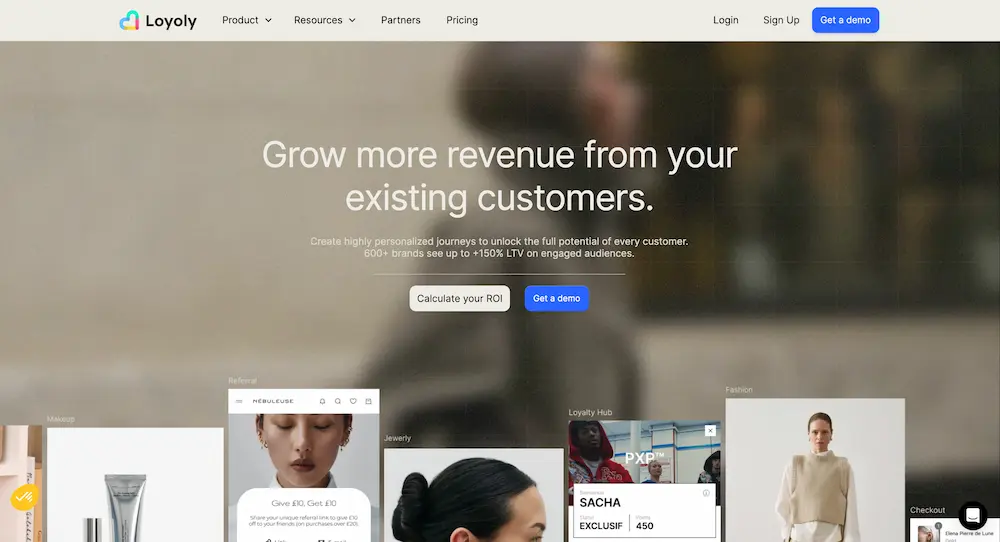
Loyoly is a post-purchase engagement platform. It goes beyond classic loyalty programs by orchestrating personalised journeys through 40+ engagement mechanics, including UGC, social amplification, referrals, and reviews, all tied to a native automation engine.
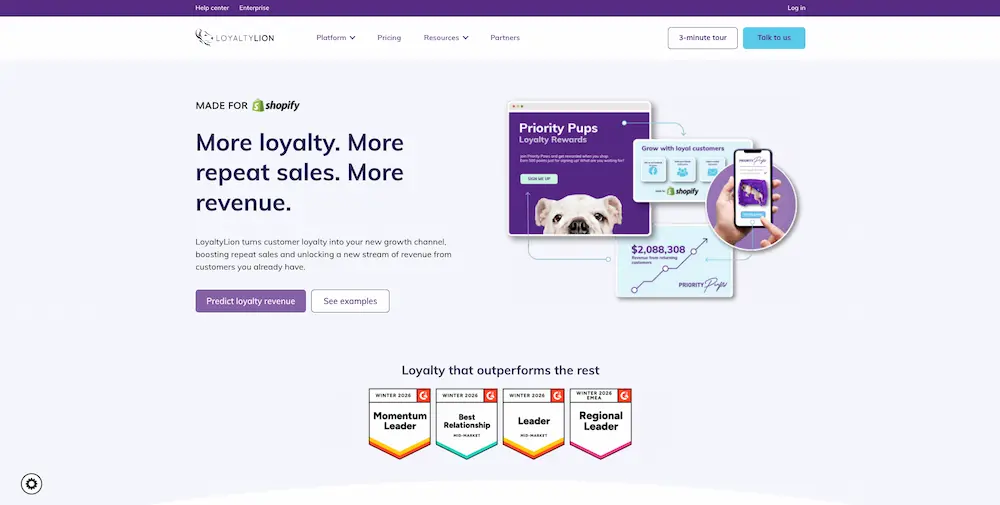
LoyaltyLion is one of the most established names in loyalty. It built its reputation on solid transactional mechanics with strong analytics and genuine multi-platform compatibility across Shopify, Magento, and BigCommerce.
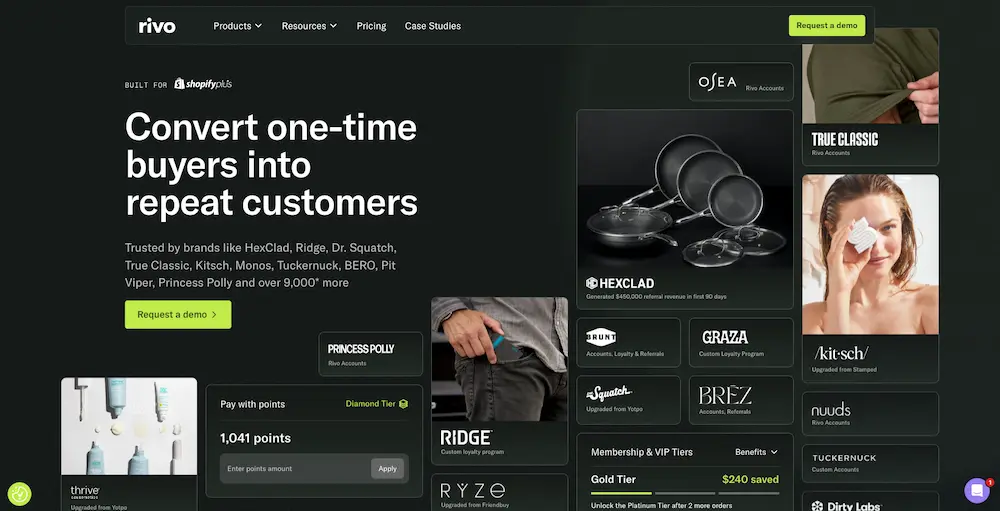
Rivo is a modern, Shopify-native retention platform. It is developer-friendly, ships product updates weekly, and is the only platform in this group with a dedicated paid membership product.
Loyalty mechanics: who goes furthest
The number and quality of engagement mechanics determines how deeply your programme integrates into customer behaviour. This is where the gap between platforms becomes visible.
Loyoly: 40+ mechanics including UGC and social amplification
Loyoly offers more than 40 auto-verified engagement mechanics. Beyond purchases and account creation, customers earn points for leaving reviews, posting UGC, sharing stories, publishing reels or TikToks, resharing your Instagram posts, and completing surveys.
All actions are verified automatically. No manual checking, no fraudulent completions slipping through. And because Loyoly includes a native automation engine, you can build triggered journeys based on customer behaviour and engagement level, something neither LoyaltyLion nor Rivo offers natively.
According to the Loyoly Loyalty Benchmark 2026, engaged customers show LTV increases of up to 117% in home and decoration, and 60% in fashion, compared to non-engaged customers from the same brand. These numbers come from analysis of 600+ ecommerce brands across seven sectors.
LoyaltyLion: transactional depth, limited social engagement
LoyaltyLion handles the fundamentals extremely well. Points, tiers, referrals, and customisable rewards are robust and well-documented. Its analytics layer is one of the strongest in the market.
Where it falls short is social engagement and UGC collection. Social mechanics are limited to sharing and follows. There is no automatic action verification, and no native user-generated content engine. Brands wanting to activate customers beyond transactions will need external tools to compensate.
Rivo: clean and effective, but narrower scope
Rivo covers the core use cases cleanly: points, tiers, referrals, and paid memberships. Its biggest differentiator is that last item. No other platform in this comparison offers a native, dedicated paid membership product.
Social mechanics are limited to follows. There is no UGC generation, no automatic action verification, and no automation engine. For brands that want a straightforward loyalty and referral programme without complexity, Rivo is a solid fit. For brands that want engagement depth, it is not enough.
Omnichannel capabilities: a genuine gap
If your brand sells both online and in physical stores, or if you want to reach customers on their phones between purchases, omnichannel capability becomes a decisive criterion.
Loyoly: the only full-stack omnichannel solution
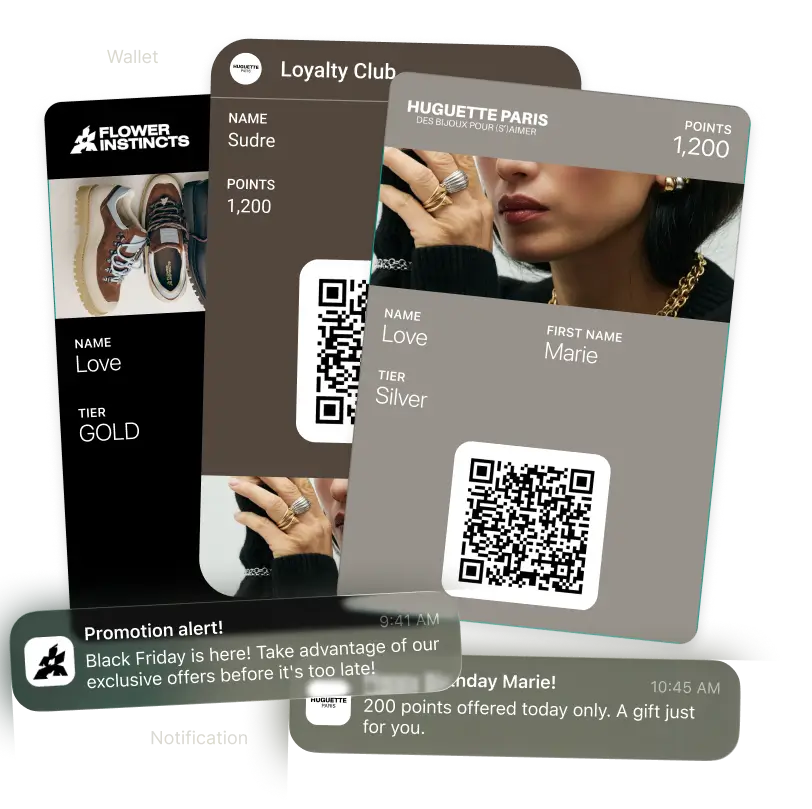
Loyoly is the only platform in this comparison with a truly native omnichannel loyalty stack. Customers can earn and redeem rewards in-store. POS integrations include Shopify POS, Cegid, and Fastmag. The Apple Wallet and Google Wallet passes are built in-house, not through a third-party partner.
On top of that, Loyoly delivers geo-based push notifications and in-store QR code redemption. These features let brands reach customers with relevant offers at the exact moment they are near or inside a store. No other platform in this group replicates this combination natively.
LoyaltyLion: wallet via third-party integration only
LoyaltyLion offers some in-store capabilities through POS integrations (Shopify POS, ConnectPOS, Cin7). But its digital wallet functionality relies on JeriCommerce, a third-party integration, not a native product. There are no geo-based push notifications and no QR code redemption.
For brands with physical retail wanting a single platform to manage the whole customer relationship, this gap adds complexity and cost every time you need to patch a native shortfall with an external tool.
Rivo: online-only by design
Rivo is built for Shopify online stores. There is no in-store earning or redemption, no digital wallet, no push notifications, and no QR code redemption. POS support is limited to Shopify POS only.
This is not a flaw in isolation. Rivo is designed for DTC brands operating primarily online. If that matches your model, this limitation is irrelevant. If you have or plan to open physical touchpoints, Rivo is not the right tool.
Automation engine: the feature most brands underestimate
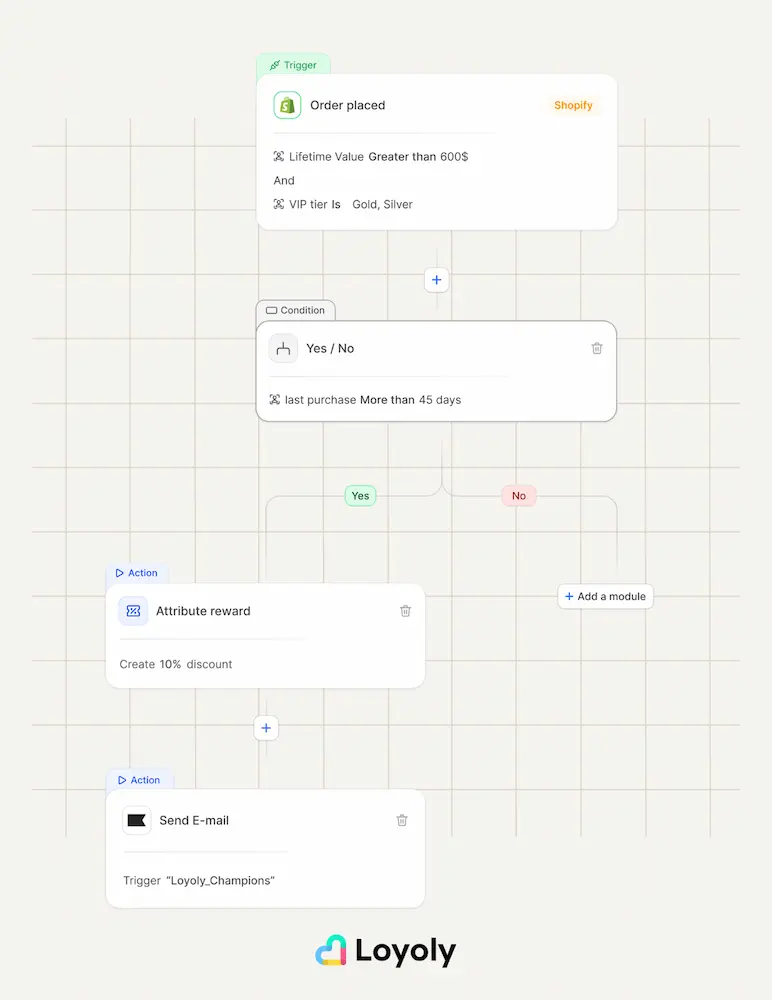
A loyalty automation engine lets you trigger personalised rewards, communications, or status updates based on specific customer behaviours. It is the difference between a static programme and a dynamic one that adapts in real time.
Loyoly is the only platform here with a native automation engine. You configure conditional logic and triggered journeys directly inside the platform, without relying on a separate CRM or marketing automation tool to handle that logic.
LoyaltyLion and Rivo both depend on external tools to replicate this behaviour. That means more integrations to maintain, more potential for data sync issues, and more monthly spend. For brands that want their loyalty programme to work as a genuine retention engine rather than a passive points bank, this difference matters more than most people realise at the demo stage.
Platform compatibility: Shopify only or multi-platform?
On Shopify, all three platforms work. The decision gets more constrained if you operate on a different stack.
Loyoly supports Shopify and PrestaShop. Magento and BigCommerce are not currently supported. Its API is in development, with a release expected in Q2 2026.
LoyaltyLion is the only multi-platform option here. It supports Shopify, Magento, BigCommerce, and custom builds. For enterprise brands on a complex or non-Shopify stack, this is a real differentiator. You can explore more LoyaltyLion alternatives if you want a broader view of the competitive landscape.
Rivo is Shopify-exclusive. It is also primarily US-focused, with very limited European presence and support. If you are a European brand or plan to scale into EU markets, this matters.
Pricing: what you actually pay
Published pricing is often just the entry point. Total cost of ownership means factoring in what is included at each tier and what you will need to add on.
Loyoly starts at $99 per month. Mid-market plans run around $823 per month. Enterprise is custom. Given that it includes the automation engine, native wallet, and full omnichannel stack without add-ons, the all-in cost is often lower than assembling equivalent functionality from multiple tools.
LoyaltyLion starts at $199 per month. SMB plans run around $399. Mid-market and enterprise are custom. The entry price is higher than Loyoly, and several capabilities available natively in Loyoly require external integrations with LoyaltyLion.
Rivo starts at $499 per month, with all higher tiers on custom pricing. It is the highest entry point in this comparison. Its developer toolkit and paid membership product add real value for the right profile, but the pricing floor makes it harder to justify at the early growth stage.
Support and onboarding: what brands actually experience
Support quality becomes visible at the worst moment: during a programme launch or a peak sales period. It is worth comparing carefully before you commit.
Loyoly offers a dedicated account manager, strategic sessions, monthly or quarterly business reviews, and custom development. Support response time averages under two minutes. This level of service is included across plans, not reserved for enterprise accounts.
LoyaltyLion provides a dedicated account manager, but strategic sessions and custom development are not standard. User reviews frequently cite support quality as inconsistent below the enterprise tier.
Rivo offers a dedicated account manager and strong developer resources. But strategic sessions, business reviews, and custom development are not available. At scale, support consistency has been flagged as an issue in multiple third-party reviews.
Loyoly vs LoyaltyLion vs Rivo: the verdict
No platform wins across every criterion. Each fits a specific profile. Here is how to think about it.
Choose Loyoly if you want to go beyond transactional loyalty
Loyoly is the right choice for ecommerce and retail brands that want a complete post-purchase engagement platform, not just a points programme. If you need UGC generation, social amplification, a native automation engine, omnichannel capabilities with a proprietary wallet and push notifications, and hands-on strategic support, Loyoly covers all of it natively without stitching tools together.
It is especially strong for brands on Shopify or PrestaShop that have or plan to develop physical retail touchpoints. The comparison with Yotpo and Rivo reaches consistent conclusions: Loyoly wins on feature depth and omnichannel breadth. Over 600 brands already use it, with an average 150% LTV increase among engaged customers.
.webp)
Choose LoyaltyLion if you are on Magento or BigCommerce
LoyaltyLion's primary differentiator is multi-platform support. If you operate on Magento, BigCommerce, or a custom stack, it may be your only viable option among well-established loyalty platforms. Its analytics are solid, and for brands that primarily need transactional loyalty mechanics without heavy engagement depth, it delivers reliably.
Go in with clear expectations on support quality at non-enterprise tiers, and budget for external tools if you need social engagement or automation logic. The loyalty platform comparison guide covers additional options worth considering alongside it.
Choose Rivo if you are a Shopify DTC brand focused on the US market
Rivo makes sense for Shopify-native DTC brands, particularly in the US, that want a clean, developer-friendly loyalty program with a modern UI and the option to run paid memberships. Its weekly product releases signal a fast-moving roadmap.
The $499 entry point and US-only focus limit its appeal for European brands or those watching budget closely at early growth stage. For the right profile, it is a genuinely good product. If you want to think about how referral fits into the broader retention mix, the referral programme strategy guide is worth a read.
To sum up: Loyoly leads on feature depth, omnichannel capability, and automation for mid-market ecommerce and retail brands. LoyaltyLion is the go-to for non-Shopify stacks. Rivo fits Shopify-native US brands that prioritise developer flexibility and paid memberships.
If you are building a loyalty programme on Shopify or PrestaShop and want to go beyond collecting points, Loyoly is worth a closer look. Over 600 brands already use it, and on average, engaged customers show a 150% LTV increase. Discover what the platform does at loyoly.io/loyalty.
FAQ
What is the difference between Loyoly, LoyaltyLion, and Rivo?
Loyoly is a post-purchase engagement platform with 40+ mechanics, native omnichannel, and a built-in automation engine. LoyaltyLion is a multi-platform loyalty specialist focused on transactional mechanics with strong analytics. Rivo is a Shopify-native platform with paid membership capabilities, primarily targeting US DTC brands.
Which loyalty platform has the lowest starting price?
Loyoly starts at $99 per month, LoyaltyLion at $199, and Rivo at $499. Loyoly offers the lowest entry price while including more native features than the other two at equivalent tiers.
Does Loyoly work with platforms other than Shopify?
Yes. Loyoly supports Shopify and PrestaShop. Magento and BigCommerce are not currently supported. LoyaltyLion is the only platform in this group with genuine multi-platform support including Magento and BigCommerce.
Which platform is best for omnichannel loyalty?
Loyoly is the only platform with a full native omnichannel stack: in-store earning and redemption, Apple and Google Wallet passes built in-house, geo-based push notifications, and QR code redemption. LoyaltyLion offers partial in-store support via third-party integrations. Rivo is online-only.
Which platform is best for UGC and social engagement?
Loyoly is the only platform in this comparison with a full UGC engine and social amplification mechanics. Customers earn points for publishing stories, reels, TikToks, and resharing brand posts, with automatic verification. LoyaltyLion and Rivo both limit social actions to follows and shares.
Is Rivo available in Europe?
Rivo is primarily focused on the US market with very limited European presence. European brands should factor this in before committing, especially if multilingual support or EU-based account management matters to their operations.




.webp)