.png)


The order is confirmed. The money is in your account. And then? For most ecommerce brands, that is where the customer relationship goes quiet. That is a problem.
The post purchase experience covers every touchpoint that happens after a customer clicks "buy": confirmation emails, shipping updates, delivery, packaging, returns, follow-up communications, and loyalty mechanics. All of it. And right now, most brands are getting it wrong.
56% of customers say they are disappointed with their post-purchase experience. 79% say they will not return to a brand after a negative one. Meanwhile, acquiring a new customer costs 5 to 10 times more than retaining one. The math is simple: if you are not investing in what happens after the sale, you are burning acquisition budget for nothing.
What exactly is the post purchase experience?
The post purchase experience is the complete journey a customer takes after placing an order. It begins the second they click "confirm payment" and ends, ideally, when they make their next purchase.
Most brands think of post-purchase as operations: shipping labels, tracking numbers, return portals. It is actually a series of brand touchpoints, each one an opportunity to reinforce loyalty or erode it.

Order confirmation and shipping communication
This is the moment of peak customer anxiety. Did the order go through? When will it arrive? A clear, immediate order confirmation email followed by proactive shipping notifications transforms anxiety into reassurance. Leave this gap and you will fill your customer service inbox instead.
The brands that do this well use it as a genuine brand moment: on-brand copy, personalized product recommendations, and a reminder of the loyalty points just earned on the purchase.
Delivery and unboxing
Packaging is the physical expression of your brand. A generic brown box sends one message. A beautifully designed package with a personalized note sends another. Unboxing is the moment where UGC is born, where customers reach for their phone, and where brand love is either reinforced or quietly abandoned.
Delivery speed matters too. Acceptable wait times have dropped from 4.1 days in 2024 to 3.1 days in 2026. Customer expectations only move in one direction.
Returns and after-sales service
One in two online shoppers has returned a product. Returns are no longer an exception; they are part of the standard customer journey. A painful return process is one of the fastest paths to permanent churn.
According to Loyoly's Industry Report (2025), 28% of consumers say a change in returns policy breaks their loyalty to a brand. Frictionless returns, by contrast, can transform a moment of dissatisfaction into a retention-building interaction.
Why the post purchase experience is a strategic priority in 2026
Rising customer acquisition costs have forced ecommerce brands to rethink where they invest. Paid social CPMs are up. SEO is increasingly competitive. The economics of growth-at-all-costs no longer work. Retention is the new growth.
But the opportunity goes beyond saving on acquisition. The post-purchase phase is where customer lifetime value is actually built. According to Loyoly's Loyalty Benchmark (2025), which analyzed 600+ ecommerce brands, customers who engage with a loyalty program generate up to 117% more LTV than non-engaged customers in the home and decoration sector, and +60% in fashion.
Only 17% of consumers feel that brands actually care about what happens after they buy. That gap is your competitive advantage right now.
The 5 pillars of a strong post purchase experience
A strong post purchase strategy operates across five interconnected pillars. Miss one, and you are leaving retention on the table.
1. Proactive, branded communication
Do not wait for customers to ask where their order is. Send updates at every stage: confirmed, shipped, out for delivery, delivered. Use your brand voice throughout, not generic carrier language. The moment you go silent, anxiety fills the gap and your customer service team pays the price.
According to Loyoly's Industry Report (2025), 76% of consumers prefer to be contacted by brands via email, and 39% are comfortable receiving at least one communication per week. You have more room to reach out than you probably think.
2. A frictionless returns experience
Self-service returns, clear policies, no hidden conditions. The goal is not to prevent returns. It is to make the experience smooth enough that the customer comes back despite the return. Brands that treat returns as a service rather than a cost center build long-term retention that compounds over time.
3. A post purchase loyalty mechanic
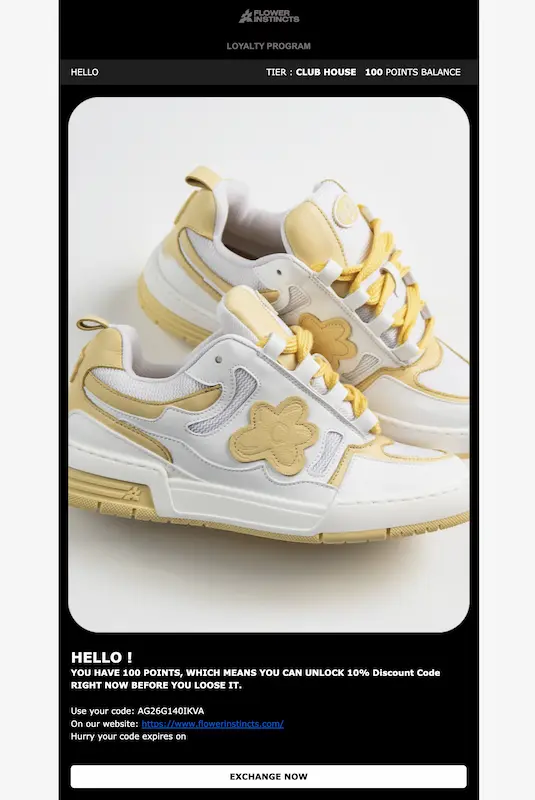
This is where the real LTV multiplier lives. 23% of consumers say a loyalty program is a key driver of their second-purchase decision, up 10 points versus their first-purchase decision. Points, rewards, and VIP tiers make the next order feel inevitable rather than optional.
A well-designed program integrated into the post-purchase flow (thank-you page, post-delivery email, checkout extension) turns one-time buyers into repeat customers. Building a customer loyalty program that works at this exact stage requires personalization and timing, not just a generic points system.
4. UGC and review collection
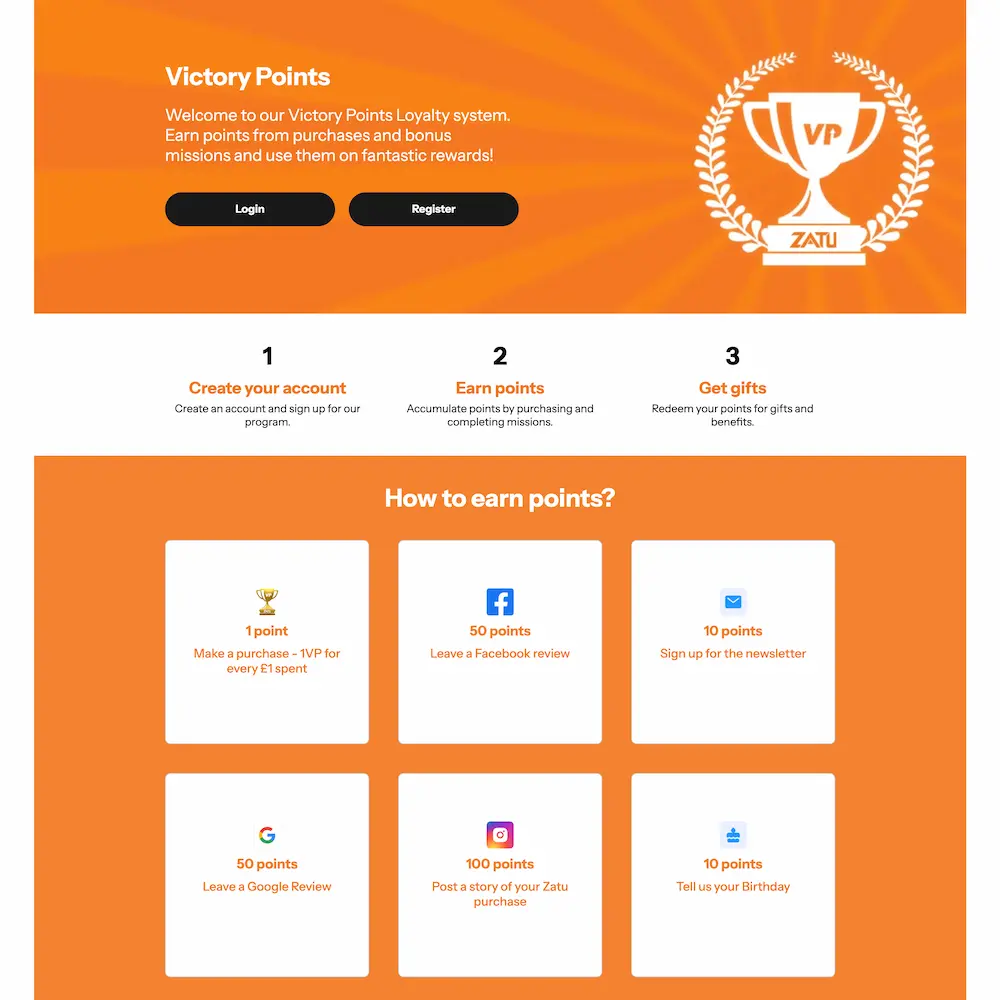
The post-purchase window is the optimal moment to collect social proof. The experience is fresh. The emotion is real. According to Loyoly's Industry Report (2025), 59% of consumers are willing to leave a positive review in exchange for a reward. That is a massive activation rate most brands simply do not exploit.
A UGC strategy integrated into the post-purchase flow generates content, builds social proof, and rewards customers simultaneously. Understanding UGC and how to generate it systematically is the first step to making this work at scale.
.webp)
5. Personalized re-engagement flows
A first-time buyer needs nurturing. A VIP customer needs recognition. A lapsed customer needs a win-back offer. CRM segmentation based on purchase behavior separates brands with 25%+ repeat purchase rates from those stuck below 12%.
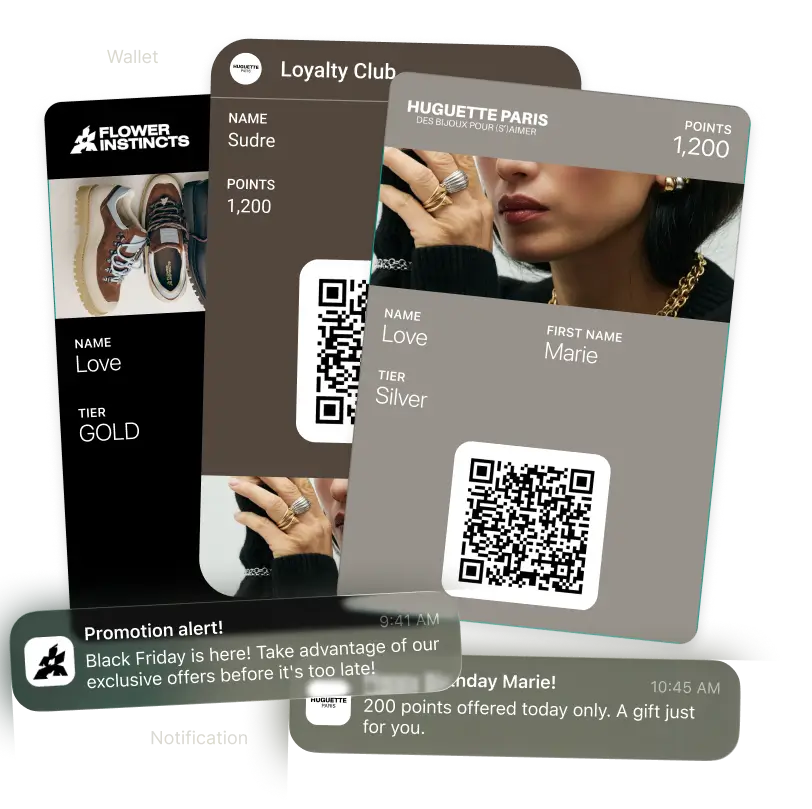
Connecting post-purchase touchpoints across email, push notifications, wallet passes, and in-store creates a truly omnichannel customer journey that meets customers wherever they are.
How to improve your post purchase experience right now
Three concrete levers to activate immediately.
Activate your loyalty program at the thank-you page
The thank-you page is the highest-attention moment in the post-purchase journey. Most brands say "thanks, see you soon" and miss the opportunity entirely. Adding a loyalty enrollment CTA, showing points just earned, or displaying a personalized referral link can significantly increase program adoption before the customer even leaves your site.
Loyoly's Shopify checkout and thank-you page extensions surface loyalty points, referral links, and reward redemption options exactly when engagement peaks.
Build a post-purchase email sequence that sells
A strong post-purchase email flow includes: order confirmation (immediate), shipping confirmation with tracking, delivery confirmation with a review request or loyalty points reminder, and a re-engagement email 7 to 14 days later with personalized recommendations. Each email has a specific job. Do not send generic templates.
Combining Klaviyo and Loyoly to automate this flow is one of the most effective retention stacks for ecommerce brands right now.
Turn your returns window into a loyalty moment
When a customer returns a product, offer loyalty points or store credit as an alternative to a cash refund. This keeps revenue in the ecosystem, gives the customer a positive experience, and incentivizes a future purchase. A three-way win that requires almost no technical lift once your platform supports it.
Which platforms support a best-in-class post purchase experience?
The market for post purchase experience software has matured significantly. Here is what to evaluate, starting with the most complete option.
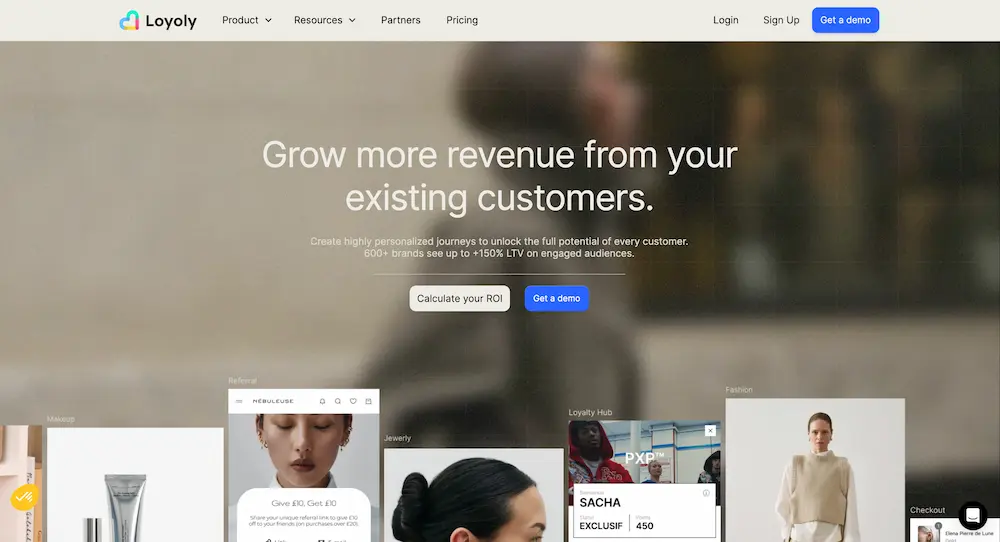
Loyoly
Loyoly is a post-purchase engagement platform built specifically for ecommerce brands. It combines loyalty programs, referral mechanics, UGC collection, and a proprietary Apple and Google Wallet integration into a single platform. 40+ engagement mechanics, automated reward flows, and deep integrations with Klaviyo, Shopify, and major POS systems including Cegid and Fastmag. Brands using Loyoly see an average 150% increase in LTV among engaged customers. Available on Shopify and PrestaShop, from $99/month.
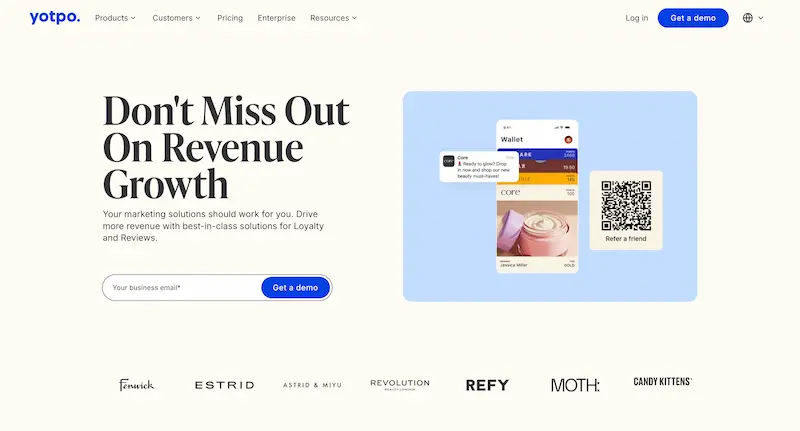
Yotpo
Strong on reviews and UGC, with 100+ integrations and AI-powered campaign tools. The omnichannel stack is more limited: no native Wallet, no Cegid or Fastmag POS integration. Support is primarily available at higher price points. From $79/month.
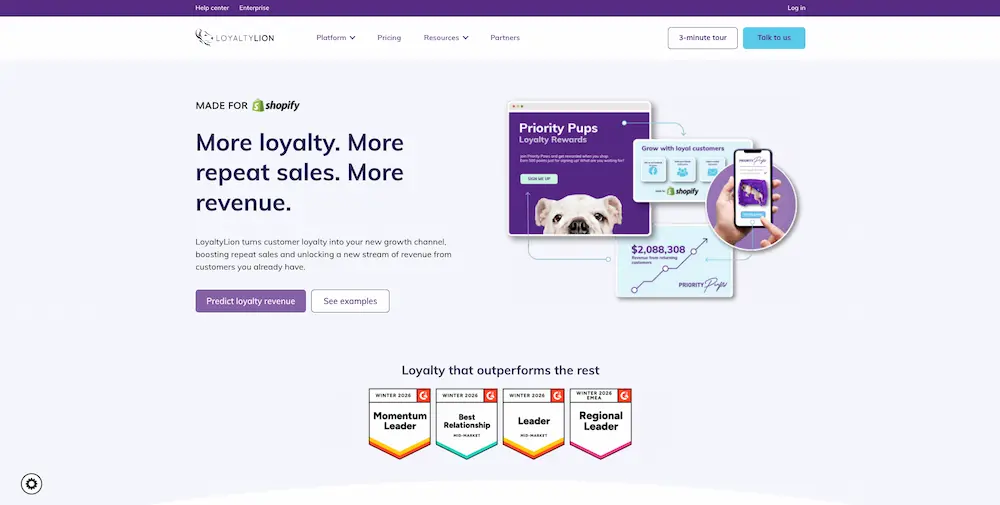
LoyaltyLion
One of the oldest players in the space, with solid transactional loyalty mechanics and multi-platform support across Shopify, Magento, and BigCommerce. Wallet integration is available via third-party JeriCommerce. Support quality is inconsistent below enterprise tier. From $199/month.
For a full breakdown of how to improve your customer retention rate using these tools, the detailed analysis covers the full picture.
To sum up: the post purchase experience is where ecommerce brands either build lasting customer relationships or lose them permanently. With 56% of customers currently disappointed by what happens after checkout, and only 17% feeling that brands care, the gap between expectation and reality is your biggest retention opportunity right now.
Loyoly gives ecommerce brands the infrastructure to turn every post-purchase moment into an engagement trigger: points at checkout, referral links on the thank-you page, UGC missions post-delivery, and automated reward flows through Klaviyo and other CRM tools. If retention is your priority, building this stack is worth starting now.
FAQ
What is included in the post purchase experience?
The post purchase experience includes every interaction between a brand and a customer after an order is placed: order confirmation, shipping notifications, delivery, packaging and unboxing, returns handling, loyalty program activation, review requests, and re-engagement communications. It ends, ideally, at the next purchase.
Why does the post purchase experience matter for customer retention?
Because 79% of customers say they will not return to a brand after a negative post-purchase experience. The post-purchase phase is where repeat purchase decisions are made. A strong experience reduces churn, increases LTV, and generates organic word-of-mouth at no additional acquisition cost.
How can a loyalty program improve the post purchase experience?
A loyalty program creates a tangible incentive for customers to return. By activating the program at checkout (showing points earned, displaying a referral link on the thank-you page), brands turn a transactional moment into a retention mechanic. According to Loyoly's Industry Report (2025), a loyalty program is the #1 driver of second-purchase decisions, cited by 23% of consumers.
When is the best moment to ask for a customer review?
The optimal moment is immediately after confirmed delivery, while the experience is fresh. A post-delivery email with a reward offer (loyalty points in exchange for a review) typically yields the highest conversion rates. 59% of customers are willing to leave a review when a reward is attached, according to Loyoly's Industry Report (2025).
How do I measure the quality of my post purchase experience?
Key metrics include: repeat purchase rate, time between first and second order, post-delivery NPS score, return satisfaction score, loyalty program enrollment rate, and email open and click rates on post-purchase sequences. Track these across 90-day cohorts to see the real impact of your retention investment.




.webp)